
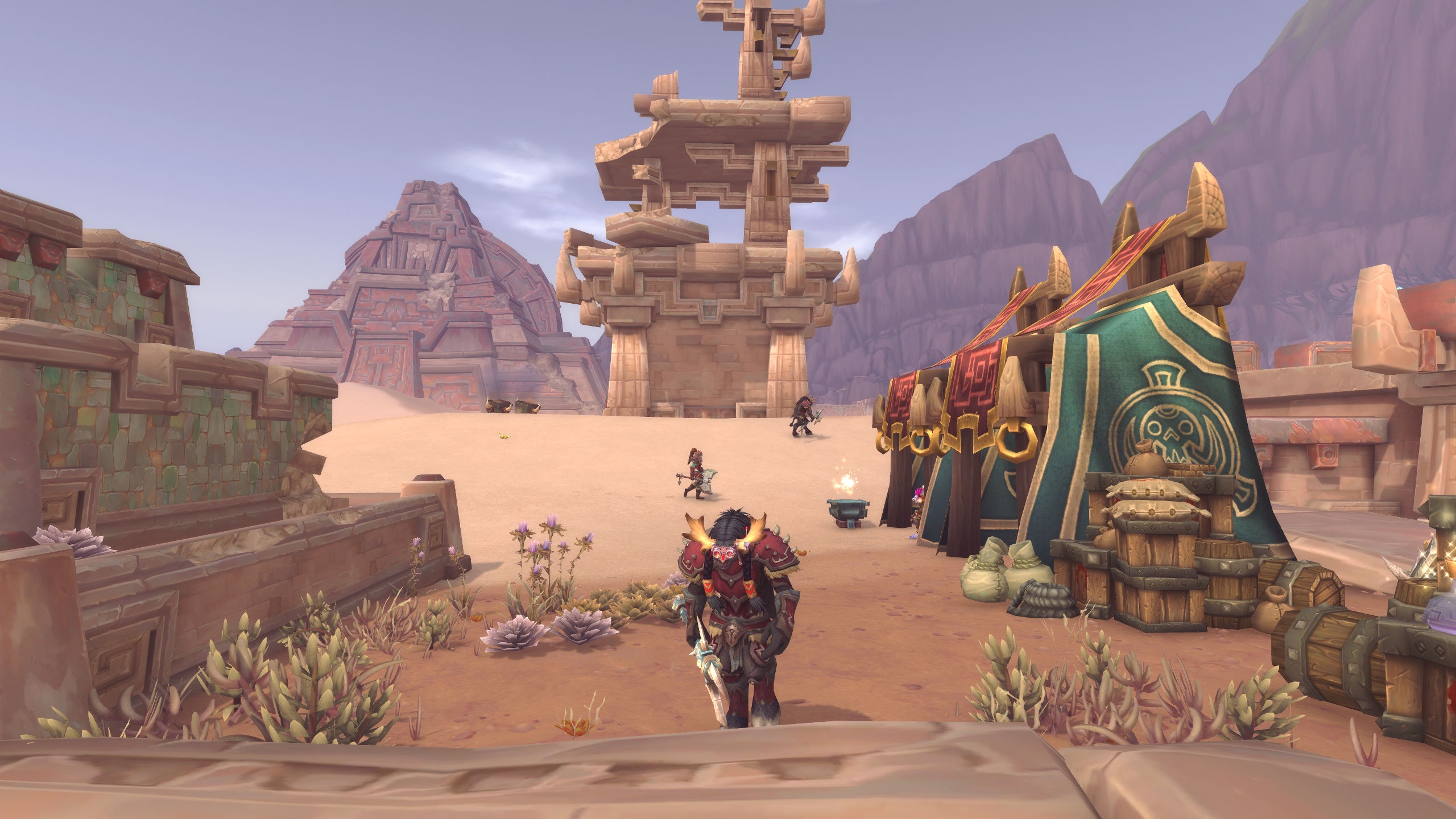
Introduction: The Ever-Changing Landscape of WoW Raids
Raiding has been the cornerstone of World of Warcraft’s PvE endgame since its launch in 2004. Over the past two decades, WoW raids have undergone significant transformations, from the early, unforgiving encounters in Classic to the highly cinematic, multi-phase battles of modern expansions.
Understanding the evolution of WoW raids offers insight into how Blizzard has adapted to changing player expectations, technological advancements, and the need for diverse, engaging raid mechanics. In this guide, we will explore WoW raid history, compare old WoW raids to their modern counterparts, and analyze how past vs. present WoW raids differ in difficulty, design, and overall experience.
Classic Era: The Birth of Raiding (2004-2006)
The original raids in World of Warcraft set the foundation for all future PvE content, introducing large-scale encounters that required extensive preparation, class coordination, and time investment.
Molten Core: The First Raid Experience
When WoW launched in 2004, Molten Core was the first-ever raid, designed for 40 players. It featured 10 bosses, culminating in a battle against Ragnaros, the Firelord.
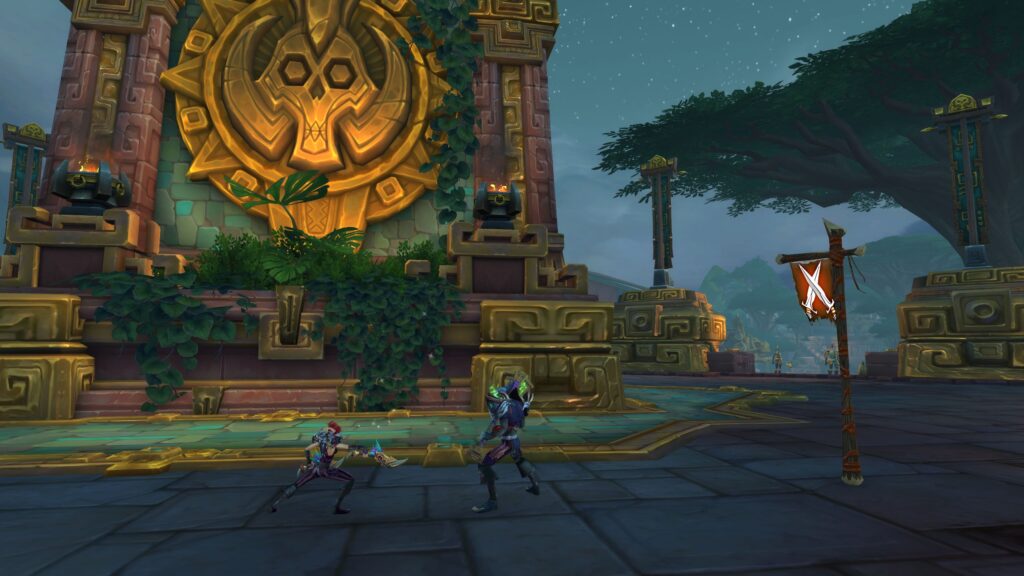
Molten Core embodied the grueling nature of early WoW raids:
- Tightly scripted encounters with minimal mechanics—most fights relied on simple tank-and-spank strategies.
- Strict gear and resistance requirements—players needed Fire Resistance gear to survive certain bosses.
- Class identity played a crucial role—some encounters required Priests to Mind Control, Druids for specific buffs, and Hunters to kite enemies.
Although Molten Core is considered rudimentary by today’s standards, it laid the foundation for how raid encounters would evolve over time.
Ahn’Qiraj and Naxxramas: The First Steps Toward Complexity
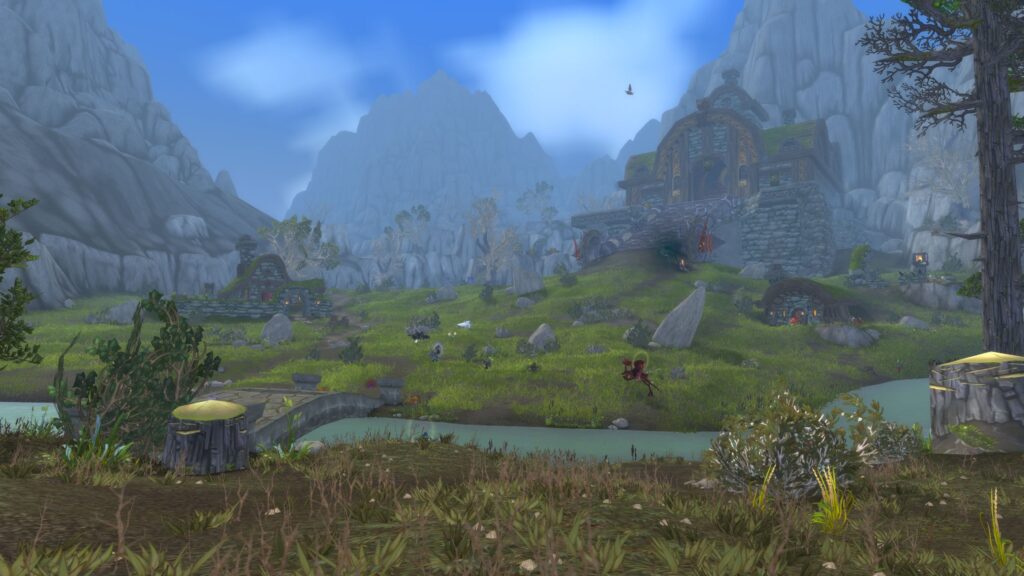
By the time WoW reached Patch 1.9 and 1.11, raids had already begun to evolve beyond simplistic encounters.
- Ahn’Qiraj (AQ40) introduced environment-based fights, requiring players to use Nature Resistance gear and deal with constantly shifting terrain.
- Naxxramas (Patch 1.11) was the first raid to introduce multi-phase fights, with Kel’Thuzad and The Four Horsemen serving as some of WoW’s most legendary encounters.
These raids paved the way for more intricate fight mechanics, setting the stage for The Burning Crusade and beyond.
The Burning Crusade: Refining Raid Design (2007-2008)
With the release of The Burning Crusade, raiding underwent major refinements, moving away from 40-player raids to smaller, more balanced 10- and 25-player formats.
Karazhan: The First “Modern” Raid
Karazhan is widely considered one of WoW’s greatest raids, introducing:
- More interactive boss mechanics, such as the Chess Event and Shade of Aran’s spell-stealing mechanic.
- Strong narrative integration, where players progressed through Medivh’s haunted tower, uncovering its secrets.
- Better pacing, with a mix of smaller, scripted encounters and larger, traditional boss fights.
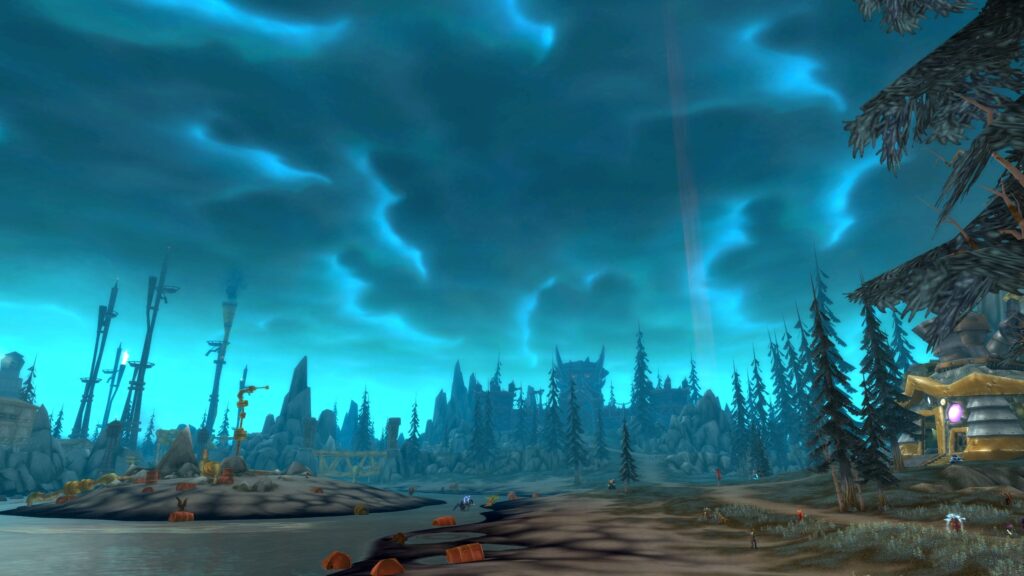
Karazhan marked a turning point in raid design, showing Blizzard’s ability to create engaging encounters that combined storytelling with challenging mechanics.
Black Temple and Sunwell Plateau: Mastering Raid Difficulty
Later Burning Crusade raids like Black Temple and Sunwell Plateau introduced:
- Multiple boss phases that required precise execution.
- Fight-specific class mechanics, such as Illidan’s Demon Phase requiring warlocks to tank.
- More fluid difficulty scaling, making endgame raids less grind-heavy and more skill-based.
By the end of The Burning Crusade, WoW raids had evolved beyond simple tank-and-spank fights, becoming more cinematic and mechanically involved.
Wrath of the Lich King: Accessibility and Hard Modes (2008-2010)
Wrath of the Lich King introduced two major raid innovations: Flexible raid sizes (10- and 25-player modes) and Hard Modes.
Ulduar: The Birth of Optional Difficulty Scaling
Ulduar, released in Patch 3.1, revolutionized raid progression by introducing Hard Modes, where players could trigger additional mechanics to make fights more difficult.
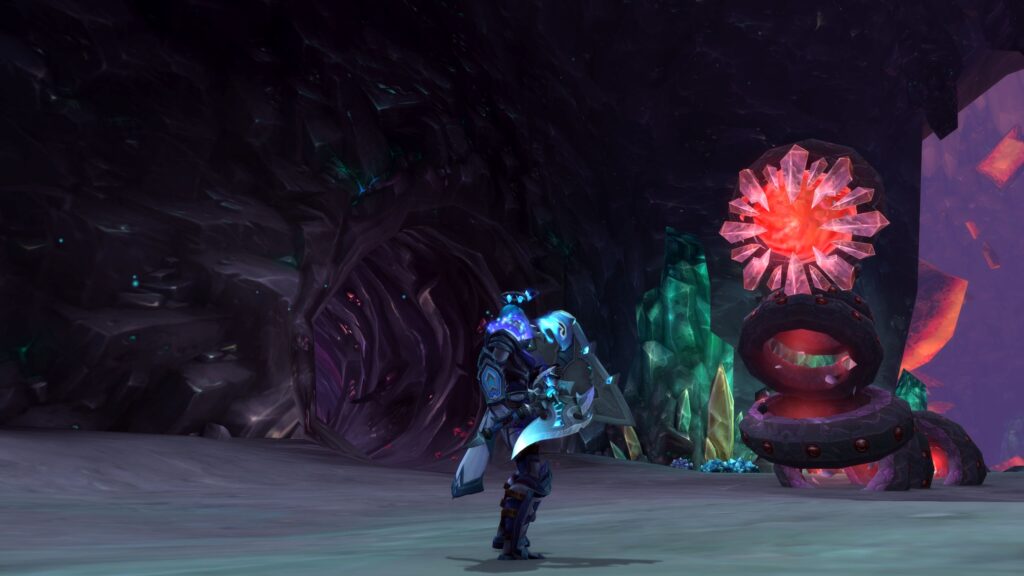
For example, XT-002 Deconstructor’s Hard Mode was activated by destroying his heart, triggering an entirely new phase with increased difficulty.
This player-driven difficulty adjustment allowed raiders to progress at their own pace, a design philosophy that Blizzard continues to use in modern raids.
Icecrown Citadel: The Cinematic Boss Experience
The final raid of Wrath, Icecrown Citadel, cemented WoW’s transition toward highly cinematic, multi-phase fights.
The Lich King fight was:
- A masterclass in environmental interaction, with the platform breaking apart mid-fight.
- One of the first bosses to have major story moments integrated into the encounter.
Icecrown Citadel set the standard for future WoW raids by making final boss fights feel like true, climactic events.
Modern WoW Raids: The Era of Mechanics and Mythic+ Challenges
With expansions like Legion, Battle for Azeroth, Shadowlands, and Dragonflight, raids have become far more mechanically intricate, cinematic, and accessible.
Key Differences Between Old and Modern WoW Raids
- Smaller Raid Sizes and Scaling Mechanics
- Raids now scale dynamically from 10 to 30 players.
- Mythic difficulty remains fixed at 20 players, preserving challenge integrity.
- More Interactive Environments
- Vault of the Incarnates and Amirdrassil feature moving platforms, destructible terrain, and environmental hazards.
- Boss fights incorporate puzzles, movement mechanics, and player agency, making them far more engaging than static fights in old WoW raids.
- Mythic Raiding and World First Races
- Mythic raids offer the hardest PvE challenges in WoW, featuring mechanics that require split-second coordination.
- The World First race is now a major event, with guilds like Echo and Liquid competing for the first Mythic kills.
- Cinematic Storytelling Within Fights
- Modern raids blend cinematics into boss encounters, making the experience feel more like an interactive story.
- Major fights like Jailer (Sepulcher of the First Ones) and Fyrakk (Amirdrassil) use in-game cutscenes mid-fight to enhance immersion.
Comparing Specific Raid Mechanics: Then vs. Now
One of the most notable aspects of WoW’s raiding evolution is how boss mechanics have become more complex, interactive, and dynamic. Early WoW raids featured static fights with limited player involvement, while modern encounters require real-time adaptability and strategic decision-making.
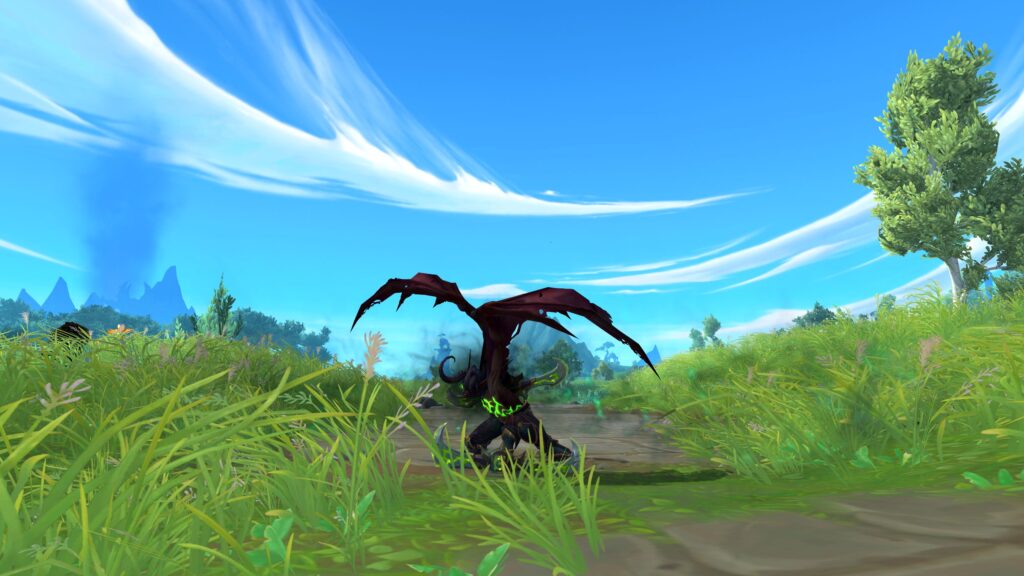
Boss Fights in Classic vs. Modern WoW
Molten Core (2004) – Simple, Static Fights
- Most bosses in Molten Core followed basic tank-and-spank mechanics, where one or two tanks held aggro while DPS and healers did their jobs.
- Limited movement requirements—players could usually stand still and focus on their damage rotation.
- Minimal raid-wide mechanics—most fights revolved around resisting fire damage and dealing sustained DPS.
Castle Nathria (2020) – Dynamic, Multi-Phase Encounters
- Bosses in Castle Nathria (Shadowlands) included environmental interaction, personal responsibility mechanics, and multiple phase transitions.
- Example: Sire Denathrius required players to manage mirrors for teleportation, platform-wide knockbacks, and split-phase fights that changed the battle’s entire structure.
- Every role—Tanks, Healers, and DPS—had specific assignments beyond just dealing or mitigating damage.
This evolution demonstrates how Blizzard has transformed WoW raiding into a more dynamic and skill-based experience, where players must constantly react to changing conditions rather than just following a static fight script.
Evolution of Raid Rewards: Loot Systems and Player Incentives
The way players earn loot from raiding has also changed significantly over WoW’s history. Early loot systems were heavily RNG-based and relied on guild management systems, while modern raids offer personalized loot, deterministic rewards, and bonus incentives.
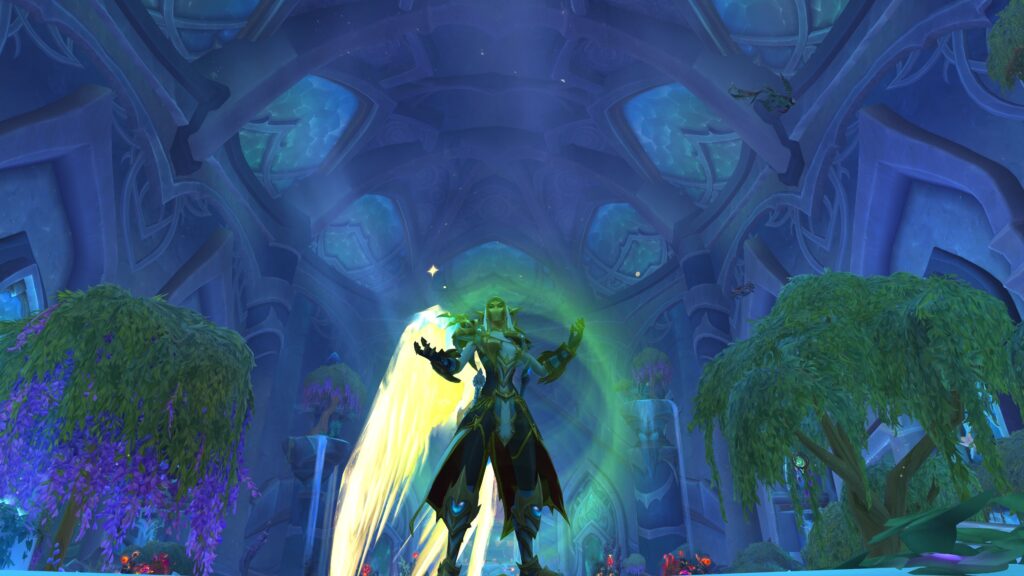
Classic Loot Distribution: Guild-Based and RNG-Heavy
- Early WoW raids like Molten Core and Blackwing Lair used the Master Loot system, where a raid leader manually distributed loot.
- Many guilds adopted DKP (Dragon Kill Points), Loot Council, or Need/Greed systems to manage who got which item.
- RNG was a major factor—players could raid for weeks and never see their desired drop.
Modern Loot Systems: Personal Loot and Vault Rewards
- Personal Loot (introduced in Legion) ensures that each player has a chance to receive gear directly from a boss rather than relying on a raid leader’s decision.
- The Great Vault (introduced in Shadowlands) gives players a weekly selection of raid rewards, allowing them to choose the best option based on their performance.
- Bonus Roll Tokens (Mists of Pandaria – Battle for Azeroth) provided an extra chance at loot, ensuring players could eventually earn their most desired items.
These changes have reduced loot-related drama, improved player agency, and ensured more fair reward distribution, making raiding more appealing to a broader audience.
The Impact of Mythic Difficulty: The Ultimate PvE Challenge
Introduced in Warlords of Draenor, Mythic difficulty revolutionized WoW raiding, offering the hardest PvE content in the game.
Why Mythic Raiding Changed Everything
- Fixed 20-player size ensures encounters are tightly balanced and mechanics are designed for optimal coordination.
- Additional Mythic-only mechanics (e.g., secret boss phases, more punishing mechanics, tighter enrage timers).
- World First race became a global event, where top guilds like Echo, Liquid, and Method compete for the first Mythic raid completion.
A perfect example is Mythic Jaina Proudmoore (Battle for Dazar’alor), which introduced:
- A secret final phase where Jaina unleashed an icy apocalypse unseen in lower difficulties.
- Unforgiving personal responsibility mechanics, where one mistake from a single player could wipe the entire raid.
Mythic raids continue to set the gold standard for competitive PvE content, offering elite players the ultimate challenge while keeping the casual raiding scene intact through Normal and Heroic difficulties.
Community Engagement and the Evolution of Raiding Culture
WoW raiding has evolved beyond just in-game mechanics—it has become a global phenomenon. With the introduction of streaming, leaderboards, and community tools, raiding is more social, competitive, and accessible than ever before.
The Rise of World First Raiding Events
- Blizzard now officially acknowledges World First races, showcasing top guilds’ Mythic raid progression.
- Guilds like Echo, Liquid, and Method stream their raid progression live, drawing hundreds of thousands of viewers.
- The race to World First is now an esports-like event, with sponsorships, commentary, and real-time analysis.
The Growth of Raid Coaching and Learning Resources
- Websites like Wowhead, Icy Veins, and Warcraft Logs provide detailed raid strategies, logs, and optimization tools.
- Discord communities now offer raid coaching sessions, making high-end raiding more accessible to new players.
- Add-ons like WeakAuras and Deadly Boss Mods (DBM) have transformed how players process raid mechanics, improving reaction times and execution.
Unlike the early days of WoW, where raiding knowledge was restricted to hardcore guilds, modern raiding is more transparent, collaborative, and welcoming to new players.
Blizzard’s Innovation in Raid Design: What Comes Next?
As WoW continues to evolve, Blizzard consistently pushes new boundaries in raid design. The upcoming expansion, The War Within, promises to redefine what players expect from raids, with Nerub’ar Palace showcasing even more ambitious mechanics.
Predicted Future Raid Trends
- More Dynamic Environments – Raids will likely feature more destructible environments, interactive platforms, and real-time arena changes.
- Advanced AI Mechanics – Future bosses may adapt to player strategies, changing attack patterns dynamically.
- More Narrative-Driven Raiding – Expect increased cinematic integration, where major bosses react to story progression and interact with players in unprecedented ways.
As Blizzard continues to refine raid encounters, difficulty scaling, and player experience, WoW’s raiding scene is set to remain a dominant force in MMORPG gaming for years to come.
Conclusion: How Have WoW Raids Changed Over the Years?
Looking back at two decades of WoW raiding, it’s clear that Blizzard has mastered the art of raid design. What started as basic tank-and-spank encounters in Molten Core has transformed into epic, multi-phase battles featuring cinematic storytelling, intense mechanics, and deep strategic depth.
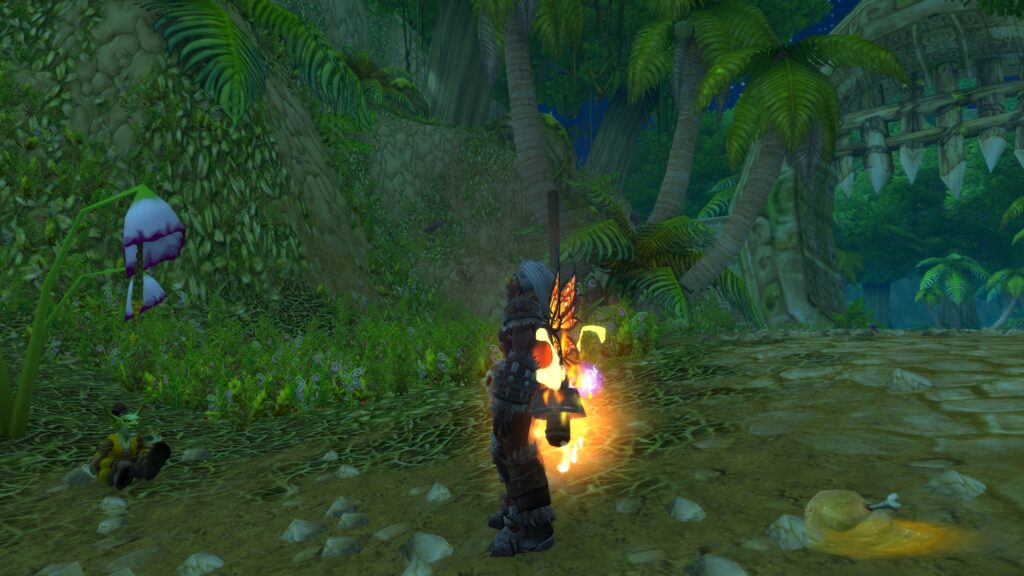
The evolution of WoW raids showcases:
- A shift from static fights to fully interactive, immersive encounters.
- More rewarding loot systems, making raiding accessible yet still competitive.
- The rise of Mythic difficulty, creating an esports-like environment for PvE players.
- A global community that collaborates, competes, and celebrates raid achievements together.
With each new expansion, Blizzard continues to push the limits of what raiding can be, ensuring that World of Warcraft remains the premier MMORPG for PvE content.
As we look toward the future, one thing is certain—the legacy of WoW raiding will continue to evolve, offering new challenges for generations of players to come.

Leave a Reply