
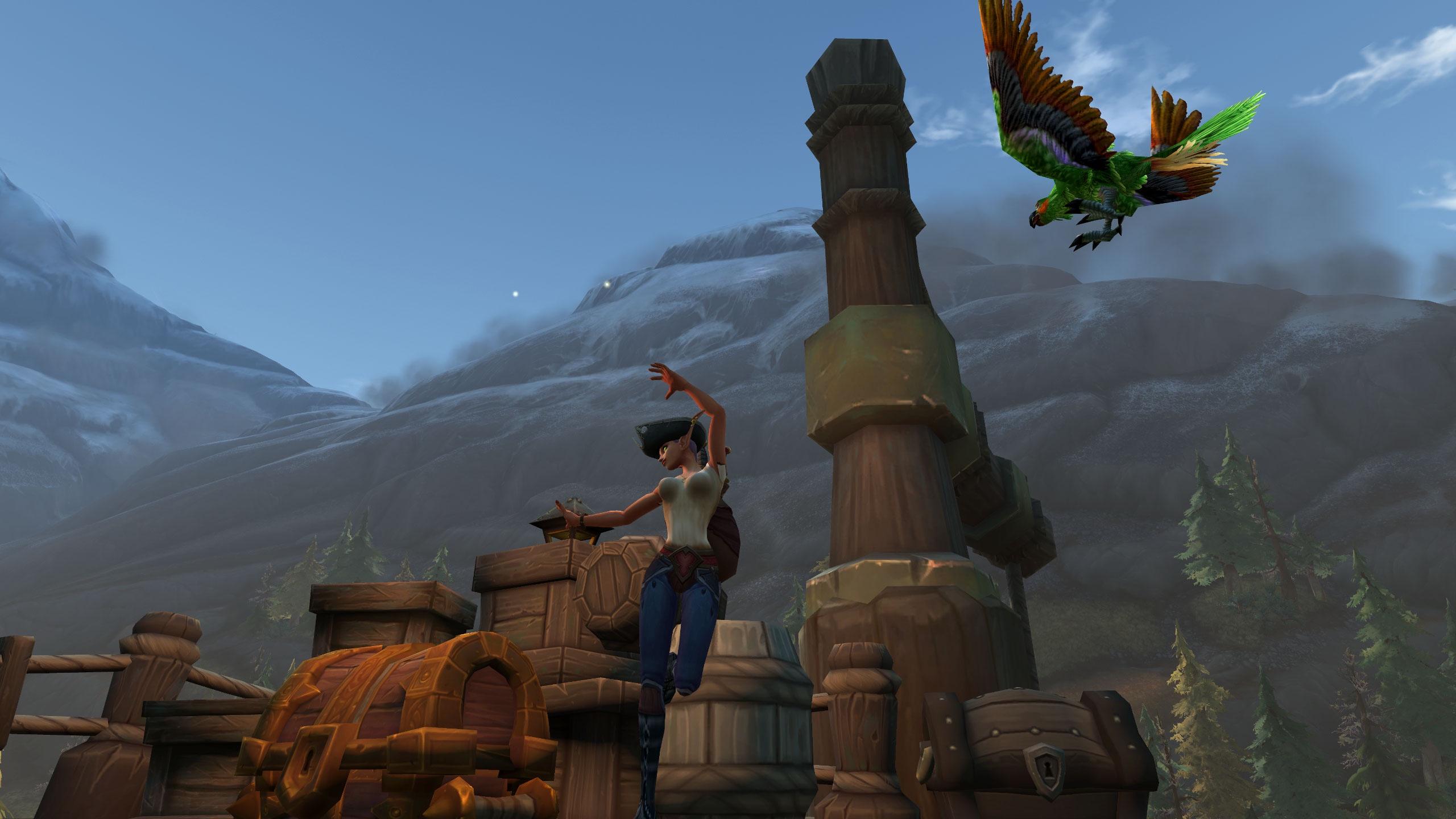
In World of Warcraft, raid progression is a critical part of the PvE (Player vs. Environment) experience. Whether you’re a beginner or an experienced raider, climbing the PvE ladder requires a combination of preparation, teamwork, and understanding the nuances of raid mechanics and difficulty scaling. To progress effectively through WoW’s raid content, players need to adapt to various challenge levels, enhance their skills, and work closely with their guild.
In this article, we will explore key aspects of WoW raid progression, including raid difficulty scaling, mythic progression paths, and how guild advancement plays a crucial role in pushing your raid progression forward. If you want to climb the PvE ladder and improve your chances of success, read on!
What is WoW Raid Progression?
Raid progression in WoW refers to the continuous journey of overcoming increasingly difficult raid bosses. As players clear easier raid encounters, they unlock higher difficulty levels and more rewarding challenges. This gradual scaling of difficulty is a core part of the WoW PvE experience.
Raid Difficulty Scaling
WoW’s raid difficulty scaling is designed to offer a progression path for different skill levels, ensuring that players of all expertise can enjoy raid content. Raid encounters scale based on the chosen difficulty, and as players move through these difficulties, they encounter more complex mechanics and tougher bosses.
- Normal Difficulty
Normal mode raids are the entry-level difficulty, where most players begin their raiding journey. Boss mechanics are more forgiving in this mode, allowing players to familiarize themselves with core raid concepts such as positioning, role responsibilities, and coordination. - Heroic Difficulty
Heroic raids are for players who have mastered normal mode and are looking for a more challenging experience. Here, boss mechanics become more intricate, requiring better coordination and faster reactions from the raid group. A solid understanding of the encounter is essential for success. - Mythic Difficulty
Mythic difficulty represents the pinnacle of WoW’s raid content. Mythic encounters introduce even more complex mechanics, stricter timing, and higher damage thresholds. Only the most dedicated guilds can clear mythic raids, and achieving success requires flawless execution from every member of the raid group.
By understanding these difficulty levels and how they affect the gameplay experience, players can plan their raid progression accordingly. Successful raiders typically start in normal mode, then transition to heroic, and finally aim for mythic content once they have the necessary experience and gear.
Mythic Progression Paths: How to Succeed at the Highest Difficulty
Mythic progression is where the true challenge lies. It requires more than just understanding the mechanics of each encounter; it demands perfect execution, communication, and coordination. Guilds that succeed in mythic raids share several key characteristics that set them apart from others.
Pre-Raid Preparation for Mythic Progression

Before stepping into a mythic raid, it’s crucial to have your raid team properly prepared. Here are some things to consider:
- Gear Up: Ensure your raid group has the appropriate gear for mythic content. This means farming high-level dungeons, world content, and crafting to maximize your item levels.
- Know the Mechanics: Mythic raid mechanics can be extremely complex. It’s important for each player to understand their role and the specific mechanics they need to manage during the encounter. Watch guides, read boss strategies, and practice before attempting the actual raid.
- Raid Composition: Having the right raid composition is critical for mythic progression. A balanced raid team with the proper mix of classes and roles (DPS, healing, and tanks) is essential for success.
Team Communication and Coordination
Clear and constant communication is key to progressing through mythic content. Since mythic encounters often feature intricate mechanics and require precise timing, everyone in the raid needs to be on the same page.
- Voice Communication: Many guilds rely on voice communication tools such as Discord or TeamSpeak to ensure quick coordination during fights. This allows players to call out important mechanics, alert others about threats, and share strategies in real-time.
- Roles and Responsibilities: Assigning specific tasks to players, such as interrupting spells or handling adds, helps streamline execution. Each player should know their role in the encounter and stick to it, especially when the fight requires split-second decisions.
- Adaptability: Mythic progression can be unpredictable. Even with preparation, mistakes will happen, and plans may need to be altered mid-fight. Flexibility and adaptability are key traits of successful mythic raiders.
Guild Advancement in Mythic Raiding
The importance of a strong, cohesive guild cannot be overstated when it comes to mythic progression. Guilds that advance through mythic raids successfully often share certain traits:
- Strong Leadership: Guilds with dedicated and experienced raid leaders tend to perform better in mythic content. Good leaders ensure that everyone is organized, focused, and motivated to push through difficult content. They also resolve conflicts, keep spirits high during tough wipes, and help guild members improve their gameplay.
- Raid Consistency: Mythic raiding requires a lot of time and dedication. Guilds that progress in mythic content typically raid consistently, showing up on time and committing to a regular raiding schedule. Consistency allows guilds to learn from their mistakes and improve each week.
- Positive Guild Culture: Mythic raiding can be stressful, and maintaining a positive environment is essential. Successful guilds have a culture of mutual respect, where players encourage each other and focus on continuous improvement rather than placing blame.
How to Progress Through WoW Raids: Tips for Success
Now that we’ve explored raid difficulty scaling and mythic progression paths, it’s time to dive into practical tips on how to progress through WoW raids efficiently.
Start with Normal Mode and Master the Basics
For newcomers to raiding, the first step is to start with normal mode raids. These raids provide a good foundation for learning the game’s mechanics and understanding how raid groups work. Players should familiarize themselves with raid layouts, basic boss mechanics, and team responsibilities.

By starting on normal mode, you’ll gradually get used to raid environments and develop the skills needed to tackle more difficult content. Once you’ve successfully completed normal mode raids, you can move on to heroic difficulty to face tougher challenges.
Optimize Your Gear and Stats
Raid progression is closely tied to your gear level. To make progress in higher difficulties, you’ll need to equip yourself with the best possible gear. Consider running dungeons, completing world quests, and participating in guild activities to maximize your item level. Pay attention to your stats and gear sets to ensure your character is optimized for the raid content you’re pursuing.

Study Boss Mechanics and Encounter Strategies
Raid encounters become progressively more complex as you advance through the difficulty levels. To maximize your chances of success, it’s important to study boss mechanics and encounter strategies beforehand.
- Watch Guide Videos: Several content creators and top guilds produce boss guides that can help you understand each phase of a fight.
- Read Strategy Guides: Written guides provide step-by-step breakdowns of encounter mechanics, and many of them include tips for positioning, timing, and optimal raid compositions.
- Practice Makes Perfect: In some cases, practicing on raid dummies or in lower difficulty modes will help you get a feel for the mechanics before the full encounter.
Stay Consistent and Learn from Wipes
No one clears mythic raids on their first attempt. Raid progression often involves multiple wipes before a boss is defeated. It’s important to view wipes as learning opportunities, where the raid group can identify mistakes and improve for the next attempt. Staying positive and focusing on continuous improvement will help maintain morale throughout the progression process.
Building a Strong Raid Team: The Backbone of Successful Progression
When it comes to climbing the PvE ladder in WoW, the raid team’s composition and cohesion are paramount. The strength of your raid team is often what differentiates successful guilds from those that struggle. Building and maintaining a well-rounded raid group with synergy and teamwork is critical in tackling more difficult content as you progress through the raid tiers.
Class Composition and Synergy
One of the most significant factors in raid progression is having a balanced raid composition. The roles in your group—tanks, healers, and damage dealers (DPS)—must complement each other, especially as difficulty levels increase.

- Tanks: Tanks are responsible for maintaining aggro and surviving heavy damage while controlling the flow of the battle. It’s essential to have a reliable and experienced tank in each raid group, particularly in mythic encounters where mechanics demand quick reflexes and perfect positioning.
- Healers: Healers are the lifeblood of your group, keeping the raid alive during high-damage phases and ensuring sustainability throughout the encounter. Mythic raids can often feature massive AoE damage or healing checks, so having a good mix of healing classes with diverse abilities is crucial.
- DPS: Damage Dealers are responsible for contributing the bulk of the raid’s overall damage output. In mythic encounters, DPS roles aren’t only about dealing damage—players must also handle additional responsibilities, such as managing adds, interrupts, or mechanics that affect their role in the fight.
A raid team should consist of a diverse set of classes to fill these core roles while also benefiting from synergistic abilities that help maximize damage and support. For example, combining classes that can provide buffs, debuffs, and crowd control can improve overall raid efficiency.
Communication and Leadership: Keys to Mythic Success
As you progress through WoW’s raids, particularly into mythic content, the importance of raid leadership and communication becomes more pronounced. Guild leadership must foster an environment where communication is clear, strategies are defined, and everyone is held accountable.
The raid leader is responsible for calling out important mechanics during fights, directing the raid group, and ensuring the strategy is executed flawlessly. This leadership requires experience, attention to detail, and a deep understanding of each encounter.
Additionally, raid officers play a crucial role in helping the leader organize the raid, analyze wipes, and devise strategies for future attempts. They also ensure that players remain focused and motivated, especially when faced with multiple wipes.
Overcoming Obstacles: How to Stay Motivated During Progression
Raid progression in WoW is often a test of patience, perseverance, and mental resilience. As guilds advance to harder difficulties, it’s common to face significant obstacles. Multiple wipes on a boss can demoralize even the most dedicated raiders, so it’s essential to stay motivated.
Positive Mentality and Focus
Having a positive and constructive mentality is key to making it through the tough moments of raid progression. Leaders must encourage players to maintain morale, especially when the group has spent hours on a particular boss without success.

It’s important for guild members to remember that raid progression is a journey. Each wipe is an opportunity to refine the strategy, improve individual performance, and strengthen team coordination. The key is to focus on gradual improvement rather than expecting perfection immediately.
Learning from Mistakes
Progressing through difficult content isn’t about never making mistakes—it’s about learning from them. After each wipe, the raid group should review what went wrong and how to prevent similar issues in the future. Whether it’s a missed mechanic or improper positioning, understanding why the wipe occurred will help the team grow stronger.
Most importantly, guilds should foster an environment where players feel comfortable discussing mistakes without fear of blame or negativity. Open and honest communication is vital for long-term progression.
Post-Raid Review and Preparation for the Next Encounter
Once a raid night concludes, successful guilds often spend time reviewing their performance. During this phase, it’s common for guild leaders to gather feedback from the raid members, discuss what went well, and identify areas for improvement.
Evaluating Performance
Performance reviews help players see how well they performed in terms of DPS output, damage avoidance, healing efficiency, and mechanics handling. Guilds that regularly conduct performance reviews can identify underperforming players and offer constructive advice on how to improve.
Planning for the Next Raid
After evaluating performance, it’s important to plan for the next raid session. This involves reviewing strategies, ensuring that everyone is properly prepared, and making sure that all raid members have the necessary consumables, gear, and materials. Guilds should focus on long-term progression by preparing for the next phase of a raid or moving on to a more difficult difficulty level if they’ve cleared the current tier.

Gear, Consumables, and Strategy Refinement
To continue progressing through WoW raids, optimizing your gear and consumables is a constant need. As you advance to harder content, bosses deal more damage and require higher DPS, so maximizing your character’s potential through gear upgrades is essential.
Gear Optimizing for Raids
Before each raid, players should ensure they have the best available gear for their class and role. Regularly updating your gear by completing dungeons, crafting, and acquiring raid gear will improve your chances of survival and success. The higher your gear, the more likely you are to meet the damage and healing requirements of the raid.
Consumables
Consumables such as potions, flasks, and food buffs are essential for maximizing your character’s effectiveness during raids. Mythic encounters often require a level of min-maxing that can only be achieved by utilizing these items. Ensure that you and your raid team stockpile enough consumables to last through multiple raid nights, particularly when challenging mythic bosses.
Refining Strategies
To succeed at higher difficulty levels, guilds must refine their strategies continually. This involves discussing what went wrong in the previous attempts and tweaking raid mechanics, timings, and execution plans. Each attempt is a learning experience that builds towards eventual success.

Conclusion: Achieving WoW Raid Progression Success
Raiding in WoW, especially at the mythic level, requires patience, dedication, and a deep understanding of the game’s mechanics. Progression through the raid tiers is a journey that demands consistent effort from everyone in the raid group. From gearing up and learning boss mechanics to perfecting team coordination and raid composition, each aspect of raid progression plays an essential role in your success.
Whether you’re a beginner or an experienced raider, focusing on improvement, maintaining positive guild morale, and refining your strategies will help you ascend the PvE ladder. By optimizing your raid composition, mastering mechanics, and always learning from mistakes, you can conquer even the most difficult encounters in WoW.
If you’re ready to push through the toughest raid challenges, continue developing your strategies, and enjoy the thrill of progression, then the road ahead is yours to conquer.
FAQs
1. How long does it take to progress through WoW raids?
Raid progression time varies depending on your guild’s skill level and commitment. It can take anywhere from a few weeks to several months to clear mythic content.
2. What’s the best way to prepare for mythic raids?
Preparation for mythic raids involves optimizing your gear, learning the boss mechanics, and practicing as a team. It’s also important to have a dedicated raid team and strong communication tools.
3. Can you skip normal and heroic modes to reach mythic?
No, most guilds will clear normal and heroic modes before attempting mythic content. It’s crucial to understand the mechanics and refine strategies in lower difficulties.
4. What is the importance of guild leadership in raid progression?
Guild leaders play a key role in organizing raids, maintaining morale, resolving conflicts, and ensuring the group is always improving and progressing toward mythic kills.
5. How do I avoid wipes during mythic raids?
Wipes are a part of mythic progression, but reducing their frequency comes down to excellent preparation, perfect execution of mechanics, and strong communication during the fight.

Leave a Reply