

Introduction: The Power of Raiding in Warcraft’s Storytelling
For nearly two decades, World of Warcraft has brought players into epic conflicts against some of Azeroth’s most powerful beings, from ancient Old Gods to fallen champions of the Light. Raiding isn’t just about loot and mechanics—it’s about experiencing Warcraft’s deepest and most defining narratives firsthand.
Each raid in WoW represents a climactic moment in Azeroth’s history, often revealing secrets about the Titans, the Old Gods, the Burning Legion, and the Shadowlands. These encounters give players the chance to stand against cosmic forces, avenge fallen heroes, and shape the fate of the world itself.
But what is the deeper lore behind these legendary battles? Why do these raids matter in the grand scheme of Warcraft’s universe?
This article explores the most significant raids in WoW’s history, their narrative importance, and how they have shaped the evolving mythos of Azeroth.
The Old Gods: Madness, Corruption, and Forgotten Horrors
Ahn’Qiraj: The Rise of C’Thun and the Qiraji Empire
The Temple of Ahn’Qiraj was the first raid in WoW to introduce an Old God, marking the moment when players first confronted the dark forces lurking beneath Azeroth.
C’Thun, the slumbering horror, had been imprisoned by the Titans thousands of years prior, yet his influence endured. By the time players reached his chamber, his whispers had already driven the Qiraji into a fanatical army, ready to consume all of Kalimdor.
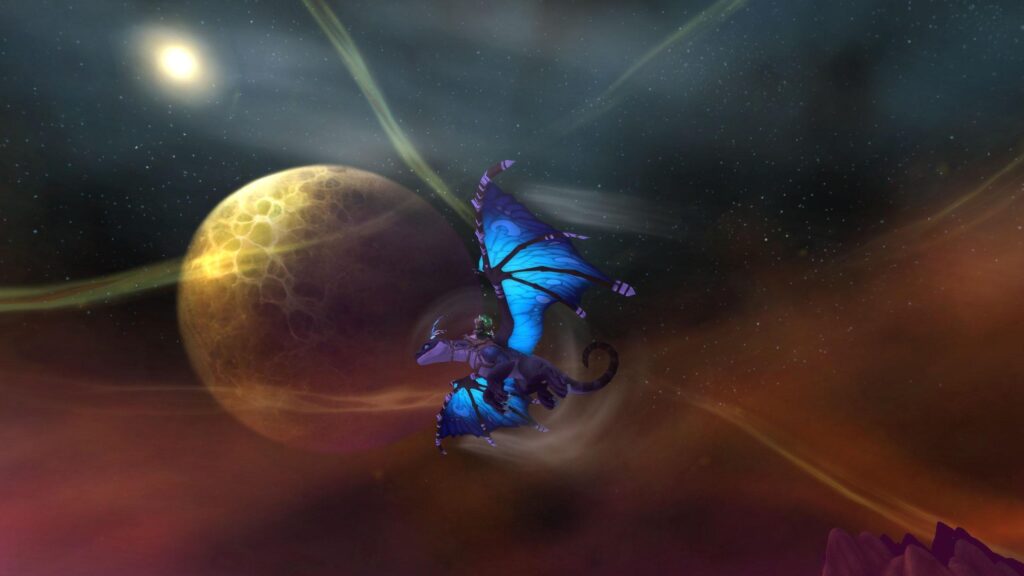
The implications of Ahn’Qiraj were massive. This wasn’t just another dungeon—it was a warning that the Old Gods were still present, still powerful, and still seeking to unravel reality.
Ulduar: The Madness of Yogg-Saron
If Ahn’Qiraj introduced the threat of the Old Gods, Wrath of the Lich King’s Ulduar proved just how deeply they could corrupt even the mightiest beings in the cosmos.
Ulduar was built as a Titan prison, a fortress designed to contain Yogg-Saron, the God of Death. Yet, by the time players arrived, they found not a prison, but a palace of insanity, where even the Titan Watchers had been enslaved to Yogg-Saron’s will.
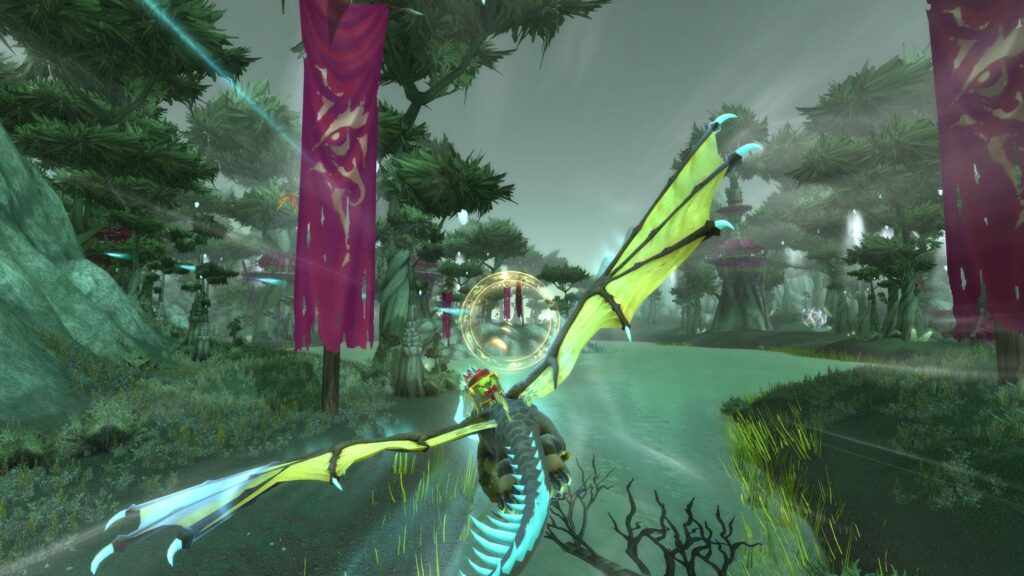
The fight against Yogg-Saron revealed one of Warcraft’s darkest truths—the Curse of Flesh, which transformed Titan-forged constructs into mortal races, was a result of the Old Gods’ corruption. This meant that Azeroth’s civilizations, including humans, dwarves, and gnomes, were all direct byproducts of Old God influence.
With Ulduar’s defeat, one thing was clear: the Old Gods were not just sleeping—they were always whispering, waiting for the right moment to return.
The Burning Legion: The Eternal War Against the Titans
The Black Temple: Illidan’s War Against the Legion
While The Burning Crusade focused heavily on the Burning Legion, its defining raid wasn’t about stopping them—it was about confronting a fallen hero.
Illidan Stormrage, once the Betrayer of Night Elves, had carved out a kingdom for himself in Outland, seeing himself as the only one who could truly stand against the Legion.
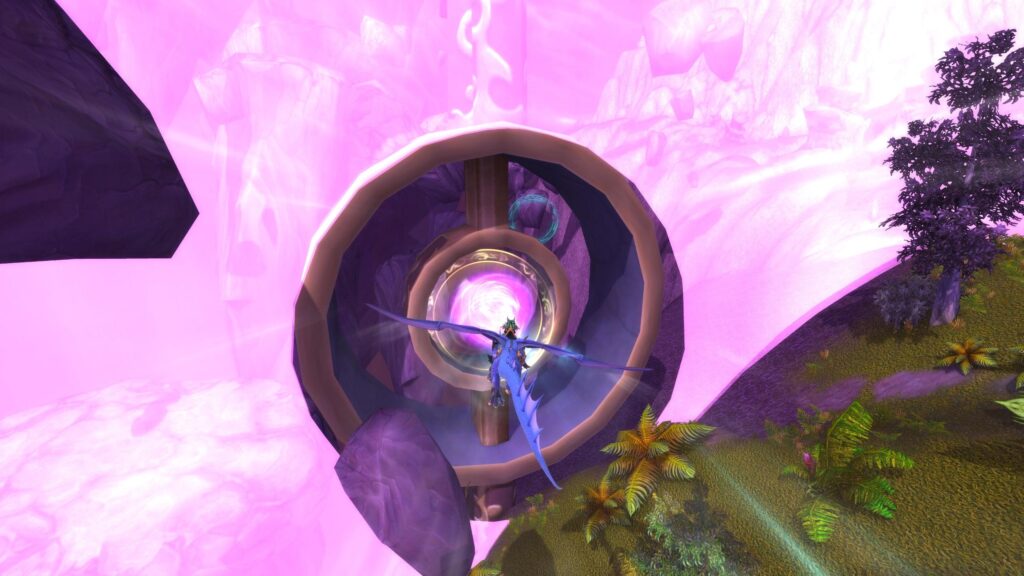
Black Temple wasn’t just about stopping a tyrant. It was about understanding Illidan’s methods, his desperation, and the choices that led him to be both hero and villain. In the end, Illidan’s famous words—“You are not prepared!”—weren’t just a battle cry. They were a warning that, even in victory, Azeroth was still vulnerable to greater evils.
Antorus, the Burning Throne: The End of the Burning Crusade
If Black Temple showed the conflicted nature of Illidan, Legion’s final raid, Antorus, the Burning Throne, brought players directly into the heart of the Burning Legion’s power.
This wasn’t just another raid—it was a war against the ultimate villain of Warcraft’s history: Sargeras, the creator of the Burning Legion.
Throughout the expansion, it was revealed that:
- The Titans were not dead, but imprisoned in Antorus.
- Argus, the homeworld of the Eredar, was being used as a factory for creating demons.
- Sargeras himself had a plan far beyond just conquering Azeroth—he sought to burn the entire universe to prevent the Void Lords from consuming it.
In the final moments of the raid, Sargeras was sealed away by the Titans, but not before he plunged his sword into Azeroth, setting the stage for Battle for Azeroth’s faction war.
Antorus wasn’t just the end of an expansion—it was the end of a 20-year-long conflict that had defined Warcraft since its earliest days.
The Shadowlands: The Truth of Death and the Afterlife
Castle Nathria: The Jailer’s First Move
When Shadowlands launched, many players expected Sylvanas to be the primary antagonist—but instead, a new force took center stage: Zovaal, the Jailer.
Castle Nathria, the first raid of Shadowlands, introduced Sire Denathrius, one of the Eternal Ones. As a master manipulator, Denathrius had secretly aligned himself with the Jailer, funneling Anima (the essence of souls) to his dark master.
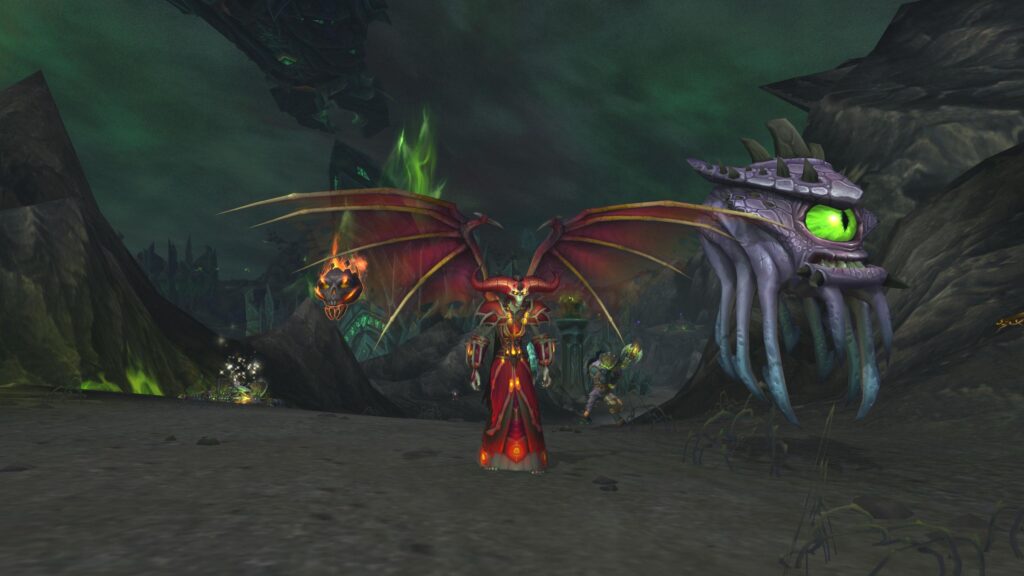
This raid set the stage for the entire expansion, revealing that:
- The Jailer had been pulling the strings behind major Warcraft events for millennia.
- The Shadowlands were not a peaceful afterlife, but a realm under siege.
- The Arbiter, who decided where souls went after death, had been silenced, allowing the Maw to consume everything.
Sanctum of Domination: The Fall of Sylvanas
If Castle Nathria was the beginning of the Jailer’s plan, Sanctum of Domination was where his forces began to unravel.
Sylvanas Windrunner, after years of ambiguous motivations, was finally confronted by the players. But unlike other villains, she wasn’t simply defeated—she was forced to see the truth about the Jailer’s lies.
The real twist? The Jailer had never cared about remaking the Shadowlands—he wanted to rewrite the entire fabric of the cosmos.
Sanctum of Domination didn’t just serve as a raid—it served as the turning point for one of Warcraft’s most complex characters, leaving players with mixed feelings about whether Sylvanas had truly been redeemed or had simply lost everything.
The Future of Raid Lore in WoW: What Comes Next?
As World of Warcraft continues to evolve, raiding will remain at the heart of Azeroth’s most pivotal conflicts. With The War Within on the horizon, players are poised to descend into the depths of Azeroth, uncovering secrets buried since the dawn of time.
Blizzard has hinted that The War Within will introduce new cosmic threats, delve deeper into Titan history, and reveal hidden truths about the origins of Azeroth itself. But what does this mean for raid lore and the future of WoW’s most epic battles?
The War Within: A New Chapter in Warcraft’s Mythos
1. The Nerubian Empire’s Forgotten Legacy
The upcoming expansion will take players into Khaz Algar, an underground realm shrouded in mystery. But the biggest lore bombshell is the resurgence of the Nerubian Empire, an ancient kingdom that predates much of known history.
- In Wrath of the Lich King, we fought the remnants of the Nerubians, but they were already shattered by the Scourge.
- Now, we are about to face a fully intact, undisturbed empire—one that has grown in the shadows for millennia.
- If the whispers of the Old Gods still echo in the depths of Azeroth, what role will they play in shaping the future of raid encounters?
Could we see a new Old God entity, or even the return of Yogg-Saron’s influence? The last time Azeroth’s subterranean world was explored, it led to the discovery of the Black Empire’s remnants. This could mean a darker, more eldritch raid setting than anything we’ve seen before.
2. The Titans and Their True Intentions
The Titans have long been the supposed guardians of Azeroth, but Dragonflight and The War Within are beginning to question their true motives.
- Ulduar revealed that the Titans once sought to purge all mortal life because of the Curse of Flesh.
- In Shadowlands, the First Ones were introduced, hinting that the Titans might not be as omnipotent as once believed.
- If The War Within continues to unravel Titan secrets, could we finally see a raid centered around rebelling against their influence?
Blizzard has been building tension between Azeroth’s free will and the Titans’ control—and this could culminate in a raid where we challenge Titan enforcers directly.
Beyond The War Within: What Future Raids Could Explore
As WoW continues to expand its lore, several major storylines remain unresolved—each of which could shape the future of raid narratives.
1. The Return of the Void Lords
The Old Gods were mere servants of an even greater force: the Void Lords. These entities exist beyond the known cosmos, seeking to corrupt Azeroth’s World-Soul and consume all light in existence.
- The final words of N’Zoth suggested that he had seen a future we could not understand—could this be a warning of an even darker force rising?
- If the Void Lords become a direct threat, we may see a raid that takes players beyond Azeroth itself, into the heart of the Void.
A Void-based raid would be one of the most terrifying encounters in Warcraft history, featuring enemies beyond comprehension, reality-bending mechanics, and the potential destruction of Azeroth itself.
2. The Reckoning of the Light and the Naaru
For years, Warcraft’s lore has hinted that the Light may not be as benevolent as it seems. We’ve already seen signs of zealous Naaru factions, and characters like Yrel from Alternate Draenor have demonstrated that the Light can be as tyrannical as the Void.
- Could a future raid force players to fight against corrupted Light forces, much like we did with the Scarlet Crusade?
- What happens if the Light seeks to forcibly purify Azeroth, imposing order at the cost of free will?
A raid against fanatic Light zealots, possibly led by a fallen Naaru, could flip Warcraft’s lore on its head, forcing players to question their long-held beliefs about the balance of cosmic forces.
3. The Final War: Azeroth’s Awakening
Ever since Legion, Blizzard has teased that Azeroth is more than just a world—it is a dormant Titan waiting to awaken.
- Sargeras tried to claim her for destruction, fearing what she might become.
- The Jailer saw Azeroth as the key to remaking reality itself.
- If Azeroth were to awaken as a fully realized Titan, how would this reshape the entire Warcraft universe?
This could lead to the ultimate raid experience—defending Azeroth from an external force, or perhaps even fighting against her if she is corrupted in the process.
Why Raid Lore Matters: The Heart of Warcraft’s Storytelling
Raiding in World of Warcraft isn’t just about fighting powerful bosses—it’s about experiencing the most important moments in Warcraft’s history firsthand.
- Raids reveal the hidden truths of Azeroth, from the rise of the Old Gods to the fall of the Burning Legion.
- They give players the chance to battle legendary characters, from Illidan to Arthas to Sargeras himself.
- Every expansion’s most defining moment happens in a raid, shaping the future of the story for years to come.
As The War Within begins a new saga of Warcraft lore, one thing is certain—the most important battles are still ahead of us.
Final Question: What Will the Next Great Raid Story Be?
For nearly 20 years, WoW raids have defined the biggest moments in Warcraft’s history. Now, with a new expansion, a new underground world, and the return of forgotten enemies, the future of raiding has never been more exciting.
Will we face another Old God, a cosmic war, or the awakening of Azeroth herself?
Whatever comes next, one thing is certain—the best stories in Warcraft are still waiting to be told.



Leave a Reply