
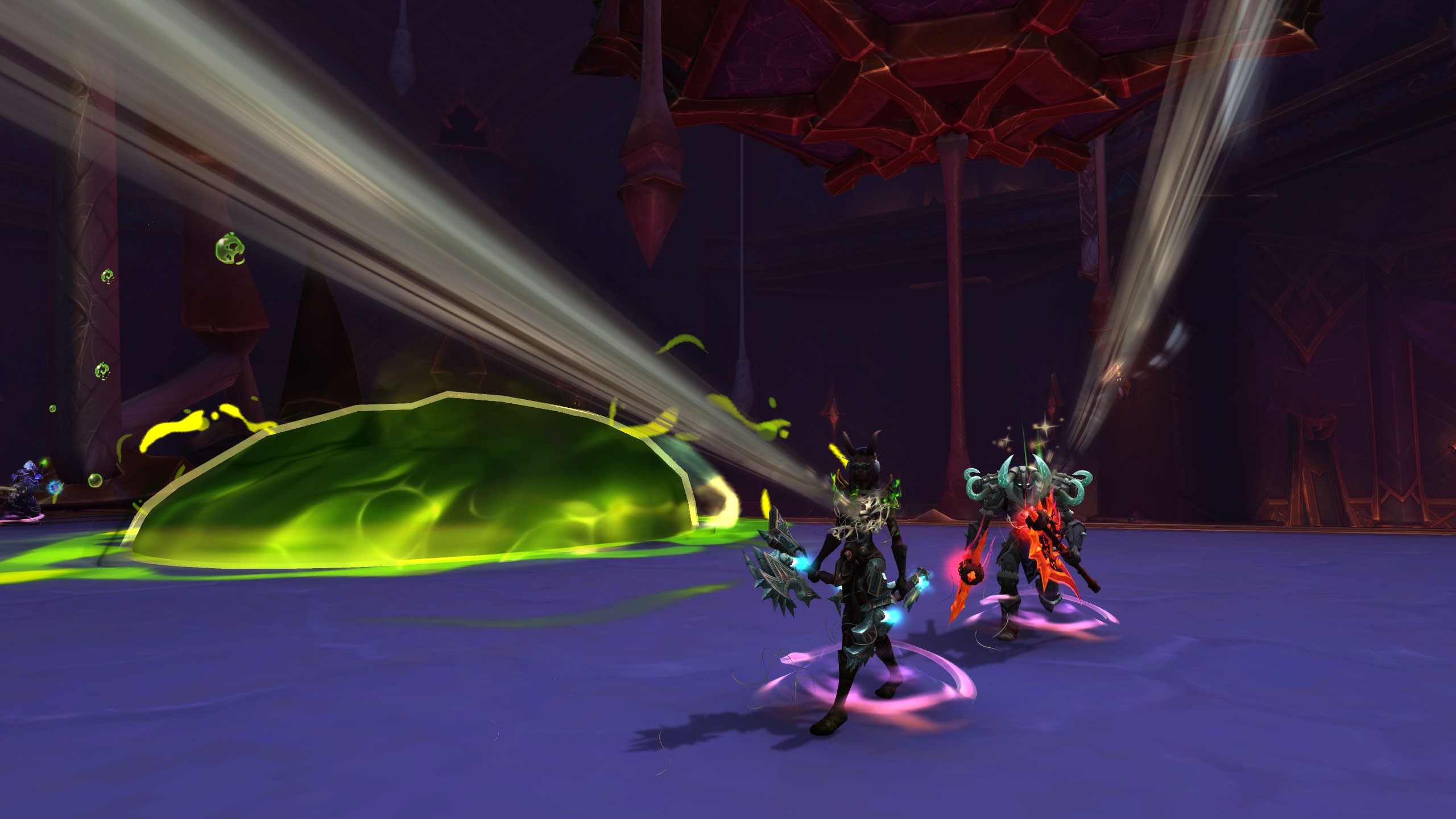
Class design in World of Warcraft (WoW) is a constantly evolving aspect of the game. Since its release in 2004, Blizzard has introduced numerous buffs, nerfs, and complete redesigns to balance gameplay and keep classes engaging. Each expansion brings new abilities, mechanics, and challenges, often reshaping the way classes perform in both PvE and PvP. In this article, we’ll explore the history of class changes in WoW, from minor tweaks to major overhauls.

Vanilla WoW: Establishing the Foundation
In Vanilla WoW, classes were designed with distinct identities and roles in mind. Warriors were the go-to tanks, Priests the preferred healers, and Rogues and Mages dominated damage dealing. However, balance was far from perfect. Hybrid classes like Paladins and Druids often struggled to compete, pigeonholed into support roles despite their potential versatility.
Class buffs and nerfs were frequent as Blizzard fine-tuned abilities. For example, Warriors received tweaks to improve tanking in early raids, while Mages saw adjustments to Frost spells for PvP viability. These changes laid the groundwork for the complex balancing act that would define WoW’s future.
The Burning Crusade: Expanding Utility
*The Burning Crusade* introduced new mechanics and tools that gave classes more utility. The addition of Bloodlust for Shamans and the introduction of arena PvP emphasized the importance of class synergy and niche roles.

Buffs and nerfs became more targeted. Warlocks, for example, saw an increase in their power through DoT (Damage over Time) effects, while Paladins received their first-ever reliable tanking abilities with the introduction of the Righteous Defense mechanic. These changes reflected Blizzard’s effort to balance classes for both PvE and PvP.
Wrath of the Lich King: Specializations Take Shape
*Wrath of the Lich King* marked a turning point in class design with the formalization of distinct specializations. Talent trees became more focused, allowing each spec to have a clear identity and role in raids and dungeons.
Death Knights were introduced as the first hero class, showcasing a new level of complexity with their rune-based resource system. Meanwhile, buffs and nerfs aimed to level the playing field, such as adjustments to Retribution Paladins’ burst damage and Mage crowd control abilities in PvP.
Cataclysm and Mists of Pandaria: Redefining Systems
In *Cataclysm*, Blizzard overhauled the talent system, pruning overpowered abilities and streamlining progression. Specializations were further emphasized, with unique abilities granted as soon as a spec was chosen. This redesign aimed to make each spec feel distinct and viable for different playstyles.
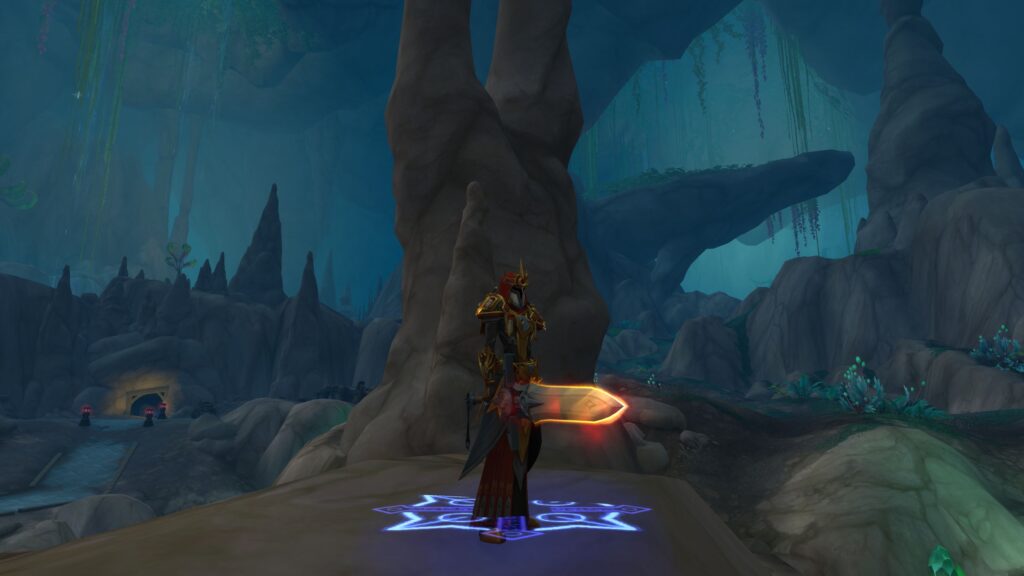
*Mists of Pandaria* continued this trend by introducing the Monk class and a new talent system that replaced the traditional trees with tiered choices. While this provided more flexibility, it also sparked debates about homogenization, as some players felt class identities were becoming less distinct.
Legion: Artifact Weapons and Class Fantasy
*Legion* was a landmark expansion for class design, with the introduction of Artifact Weapons and an increased focus on class fantasy. Each specialization was tied to a powerful weapon with its own abilities and lore, further defining the uniqueness of each class.

While Artifact Weapons were praised for their depth, they also led to significant balance challenges. Blizzard frequently adjusted abilities tied to the weapons, buffing underperforming specs and nerfing those that dominated. Despite these issues, *Legion* is remembered as a high point for creative class design.
Modern Expansions: Balancing Complexity and Accessibility
In recent expansions like *Battle for Azeroth*, *Shadowlands*, and *Dragonflight*, Blizzard has continued to iterate on class design. The reintroduction of talent trees in *Dragonflight* brought a sense of nostalgia while offering modern flexibility. Class covenants and borrowed power systems in *Shadowlands* added depth but also sparked controversy over balance and accessibility.
Buffs and nerfs remain a constant, with Blizzard striving to keep the meta dynamic. For example, Shadowlands saw frequent adjustments to specs like Fire Mages and Balance Druids to maintain competitive parity in Mythic+ and raids.
Conclusion
The history of class changes in WoW is a testament to Blizzard’s commitment to balancing fun, complexity, and fairness. From the early days of Vanilla to the dynamic systems of modern expansions, class design has been a core focus of the game’s evolution. While no system is ever perfect, the ongoing process of buffs, nerfs, and redesigns ensures that WoW remains fresh, engaging, and adaptable to the needs of its diverse player base.
Home



Leave a Reply